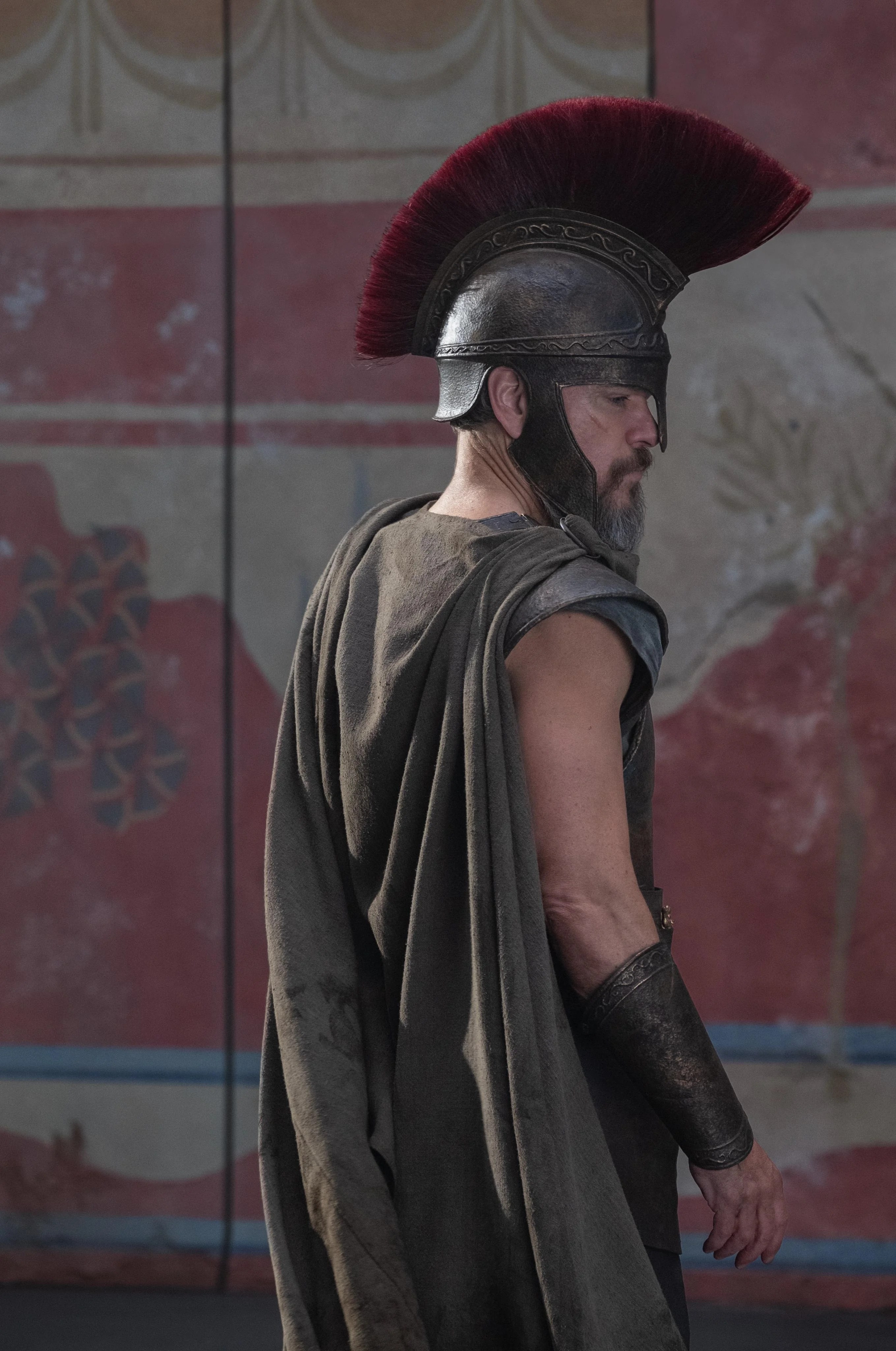
Me – ‘Have you seen The Odyssey yet?’
Friend – ‘Of course I have. I’m exactly the target audience. A middle-aged man who still somehow believes he’s on a hero’s journey.’
Me – ‘It’s like you just looked into my soul and quietly crushed something.’
Yes, I have to admit I somehow do still believe I’m on that hero’s journey. The classic story pattern of a protagonist who leaves, faces tests, and comes back transformed with new skills and wisdom. That was our Euros 2026 tournament in a nutshell, right?
In the week after a Euros, I consciously try not to look after my body. I don’t watch what I eat, I have a beer in the evening, go to the cinema rather than the gym, buy some minstrels while I’m there. If I play any sport, I don’t judge my performance in any way. I try to give myself a week off from being myself, which is harder than you think, as in it’s easy not to go training, but feeling OK about it is hard.
Paw Patrol: The Dino Movie
I went to the cinema twice and saw the hero’s journey theme, not just in The Odyssey, but also in the other seminal film of 2026.
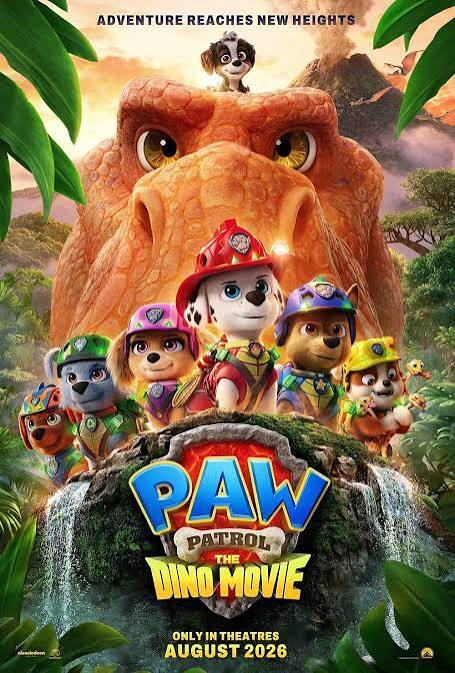
Marshall is down on himself because he keeps making mistakes, from tripping over and falling down an air vent while playing football on the deck of the Paw Patrol aircraft carrier, to accidentally pulling the lever that releases the hydraulic legs anchoring his truck as they are trying to drag a brontosaurus up out of a gorge (The poor dinosaur was knocked down there by that ne’er-do-well Mayor Humdinger).
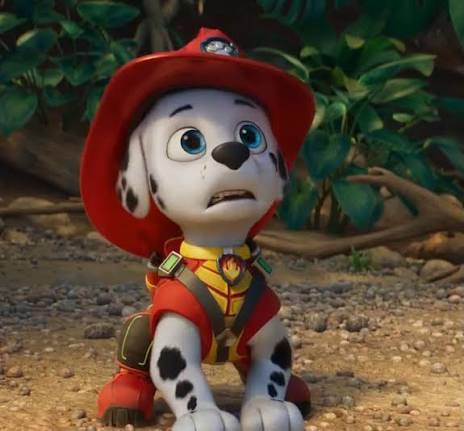
To redeem himself, Marshall goes off into the forest at night in search of his friend, a baby T. rex called Rhubarb. Facing many challenges, Marshall finally realises that it’s OK to make mistakes as long as he learns from them. and what really is important about him is that he is ‘the pup who never gives up’.
Marshall returns, a transformed puppy, and rescues all his companions and all the dinosaurs from the lava from the volcano eruption caused by, again, that up-to-no-good Mayor Humdinger, who planted explosives in the rockface to try steal all the diamonds for himself.
Marshall somehow sprays water over the lava, drives across it, and when his truck begins to melt, he jumps onto the bank, then climbs a sheer vertical cliff, pushes over a big rock that crashes into other rocks that fall and free up the waterfall to cascade down on the lava somehow putting it all out and saving everybody. (This is very similar to and only slightly less utterly infuriatingly stupid than how Mordor was created in Series Two of Amazon’s The Lord of the Rings: The Rings of Power.)
I’m not going to lie to you about Paw Patrol: The Dino Movie, parts of it are scary and me and my companions ended up all sitting on top of each other in the same seat. I wouldn’t advise you to go see it alone.

10 Steps of the Hero’s Journey
But what of The Odyssey and how it scans to our Euros 2026? Are we heroes all?
Step 1. The Ordinary World: We meet the hero in their safe, normal life.
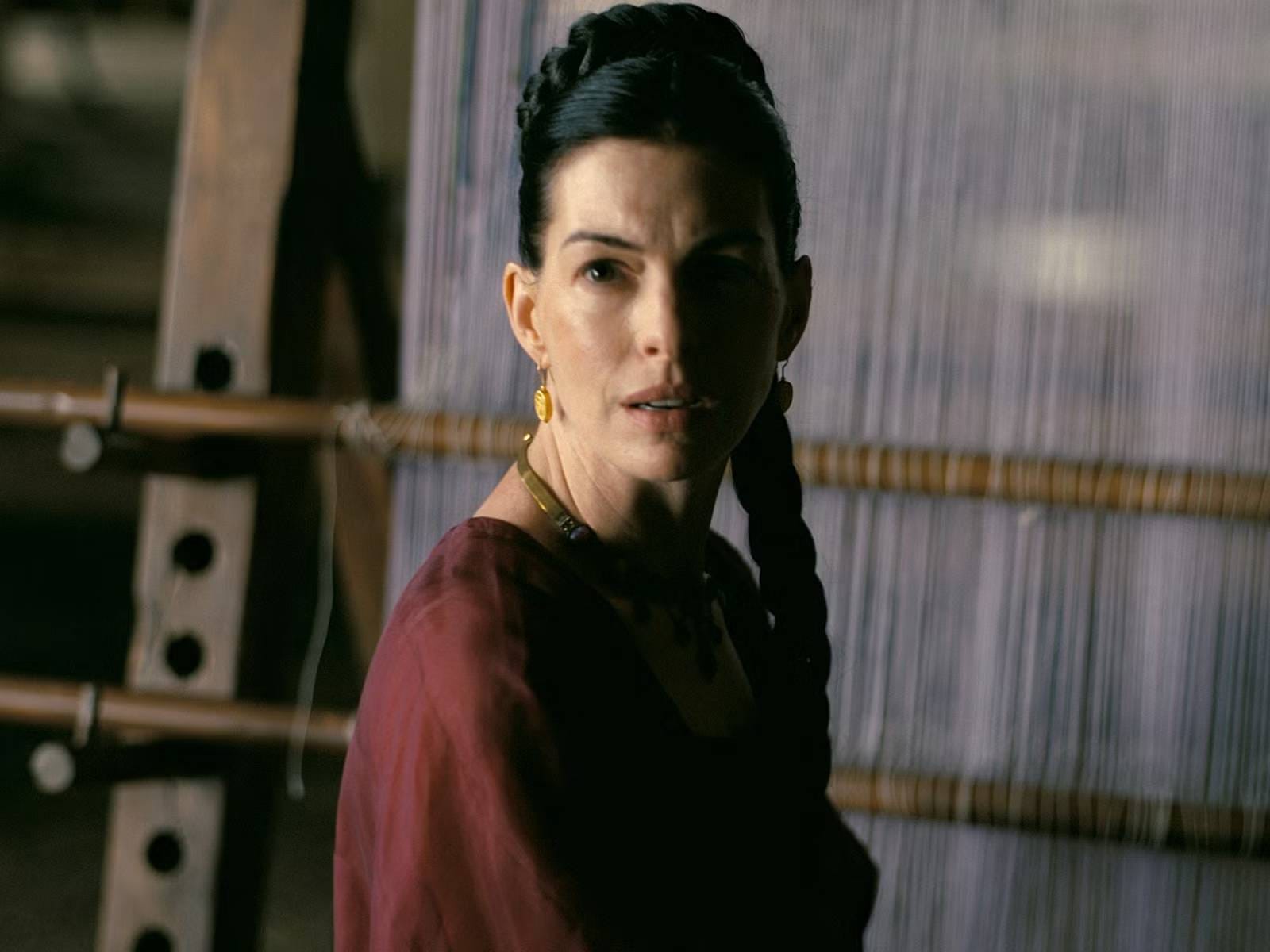
– Odysseus is in Ithaca with his wife Penelope before he’s called off to war.
– I’m sitting on the sofa, having a cup of tea, scrolling through YouTube.
Step 2. The Call to Adventure, the challenge and mission that disrupts the status quo.
– Helen, the wife of Menelaus, has fled to Troy with Paris the son of the Trojan king. Agamemnon, the king of Mycenae and brother of Menelaus, declares war on Troy and gathers his armies.
– I hear a beep on my phone and see I’ve been added to a ‘Euros 26 Training Squad’ WhatsApp group.
Step 3. Refusal of the Call: The hero initially hesitates or is scared.
– Odysseus lays with Penelope as she begs him not to go to war. Odysseus weighs up the possibilities but deep down he knows there is no escape. The die has been cast. He must follow his destiny for good or ill.
– On the sofa, I think for a minute, will I go again? It’s a lot of money, getting back to Ireland for training camps, what sort of team will it be? But deep down I know… the die… destiny… etc. etc. (Basically, I want to go.)
Step 4. Meeting the Mentor: A wise figure arrives to help or train.
– The goddess Athena guides and protects Odysseus against the wrath of other gods.
– I chat to Jim Gorman on the phone. ‘What do you think, Jim? Will the team be any good?’ ‘You’ll make it good, buddy!’ ‘Ssshh! That’s exactly the type of talk that incenses the Touch gods!’
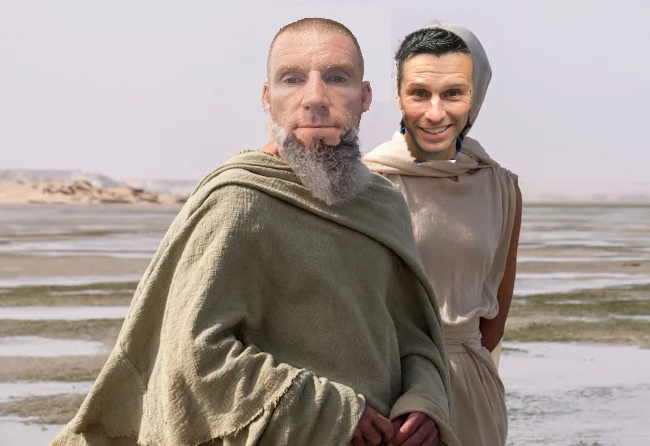
Step 5. Crossing the First Threshold: The hero steps into the unknown, dangerous world.
– After Troy falls, divine anger casts Odysseus off course into the mythic sea.
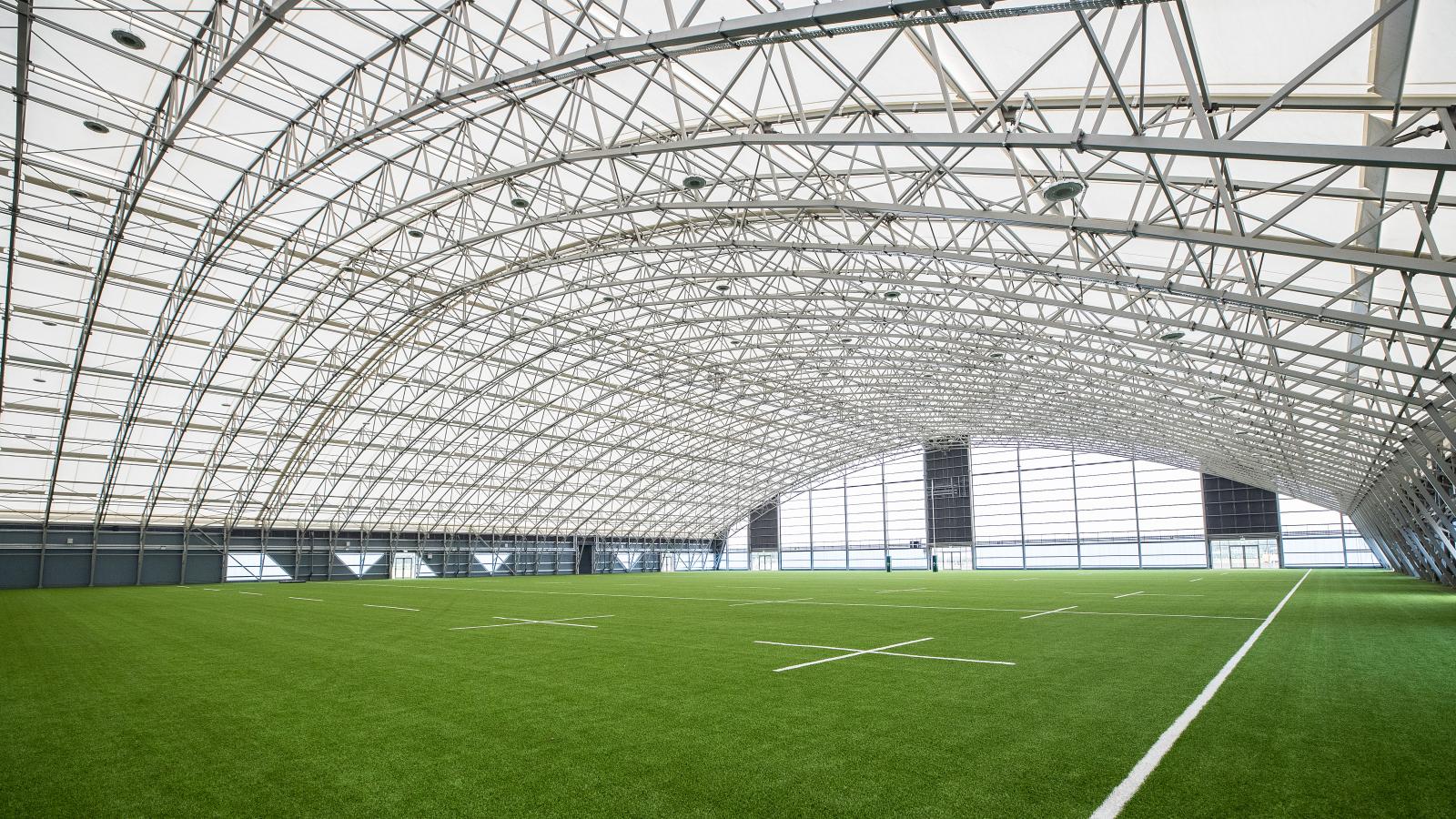
– After a quick coffee in Insomnia on the way, I stride confidently into the Dome for the first Ireland training camp. Two hours later, I’m bent over, hands on knees, breathing hard thinking, ‘Feck, I need to get fitter.’
Step 6. Tests, Allies, Enemies: The hero meets friends, fights foes, and learns the rules.
– Odysseus and his men face whirlpools and man-eating monsters in the Strait (of Messina); they brave Sirens, the witch Circe, and Odysseus inciting the fury of the sea god Poseidon.
– I meet familiar and new teammates, ‘Howayis’, face rising prices to fly home because of the Strait of Hormuz, resist the siren-call of watching Netflix to instead go train late at night after children are in bed, and brave the vicissitudes of Touch to try get selected.
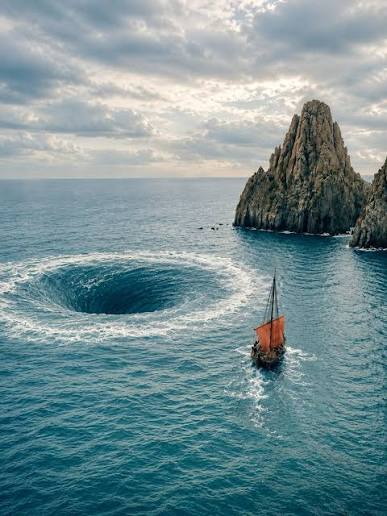
Step 7. Ordeal: The hero faces a massive life-or-death crisis.
– Odysseus’ own hubris and mistakes — in angering the Cyclops Polyphemus — cost him his ships and crew.
– My own hubris and (past blog) mistakes — in angering the Irish Touch gods — cost me reputation and favour. (But as long as you learn from mistakes, right?!)
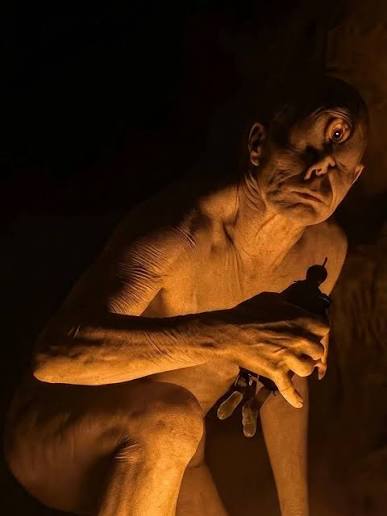
Step 8. Reward: The hero claims the prize or treasure he came for.
– By traveling to the edge of the Underworld, and by getting help from Calypso, Odysseus gains survival, secret knowledge, and divine favour to reach home.
– By traveling to the edge of the Underworld, i.e. Athlone for a training camp, keeping my head down, training hard, and running extra coaching sessions on Zoom, I make the squad.
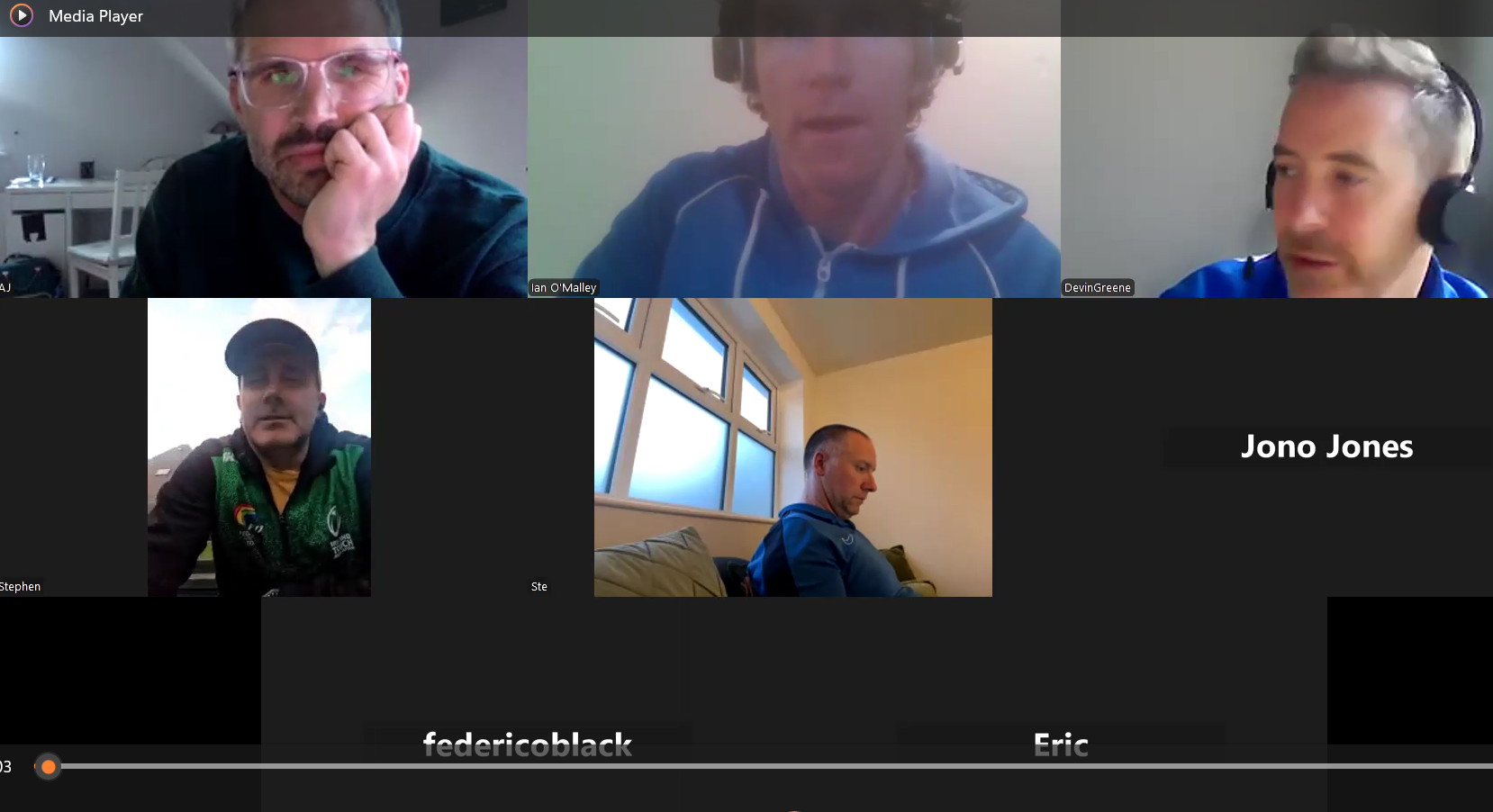
Step 9. Resurrection: A final, severe test proves the transformation.
– Disguised as a beggar, Odysseus re-enters his palace in Ithaca to find aggressive suitors overrunning his home.
– Euros 2026. We arrive at the tournament already clad in the robes of heroes. Games vs Scotland, Italy, France, Spain, Portugal, England, Wales. We are indeed tested.
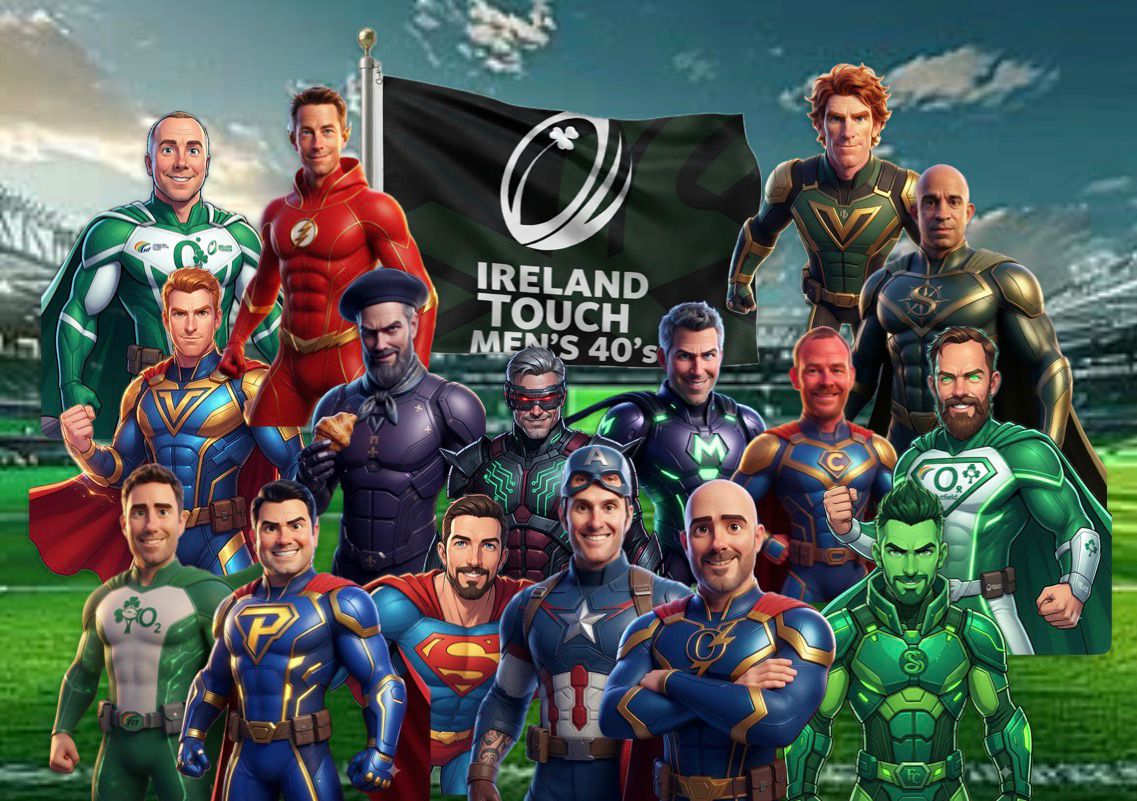
Step 10. Return with the Elixir: The hero comes back home changed, bringing healing or wisdom.
– Odysseus slays the suitors with help from his son Telemachus, reclaims his throne, and restores his family and kingdom.
– We lose 18-2 to England, lose twice to Italy and just beat Spain in our final game to decide who finished in last place. Ehm…
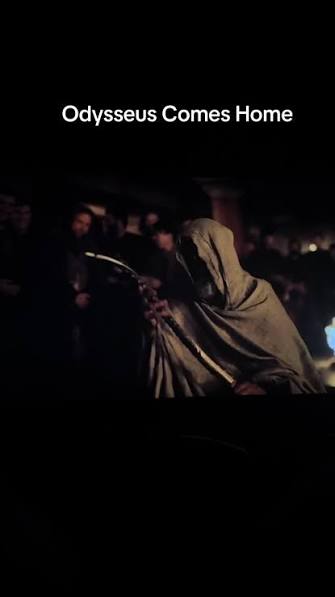
Do we leave as beggars? Maybe this wasn’t a hero’s journey after all.
Or, on second thoughts maybe it still was… read on.
The Level Rises
First of all, none of our team got eaten by a cyclops. Which puts us one up on Odysseus straightaway. So, there’s that.
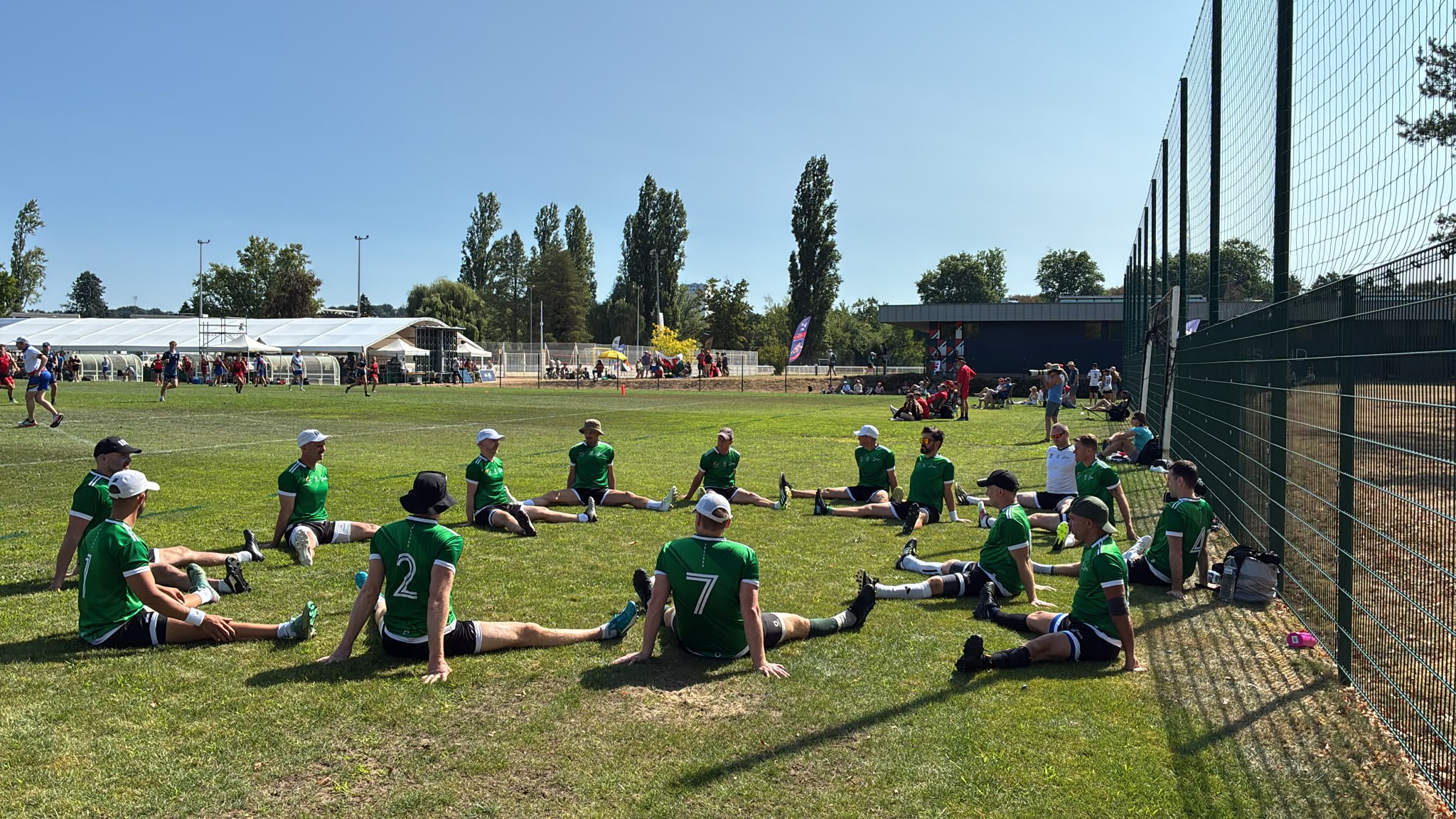
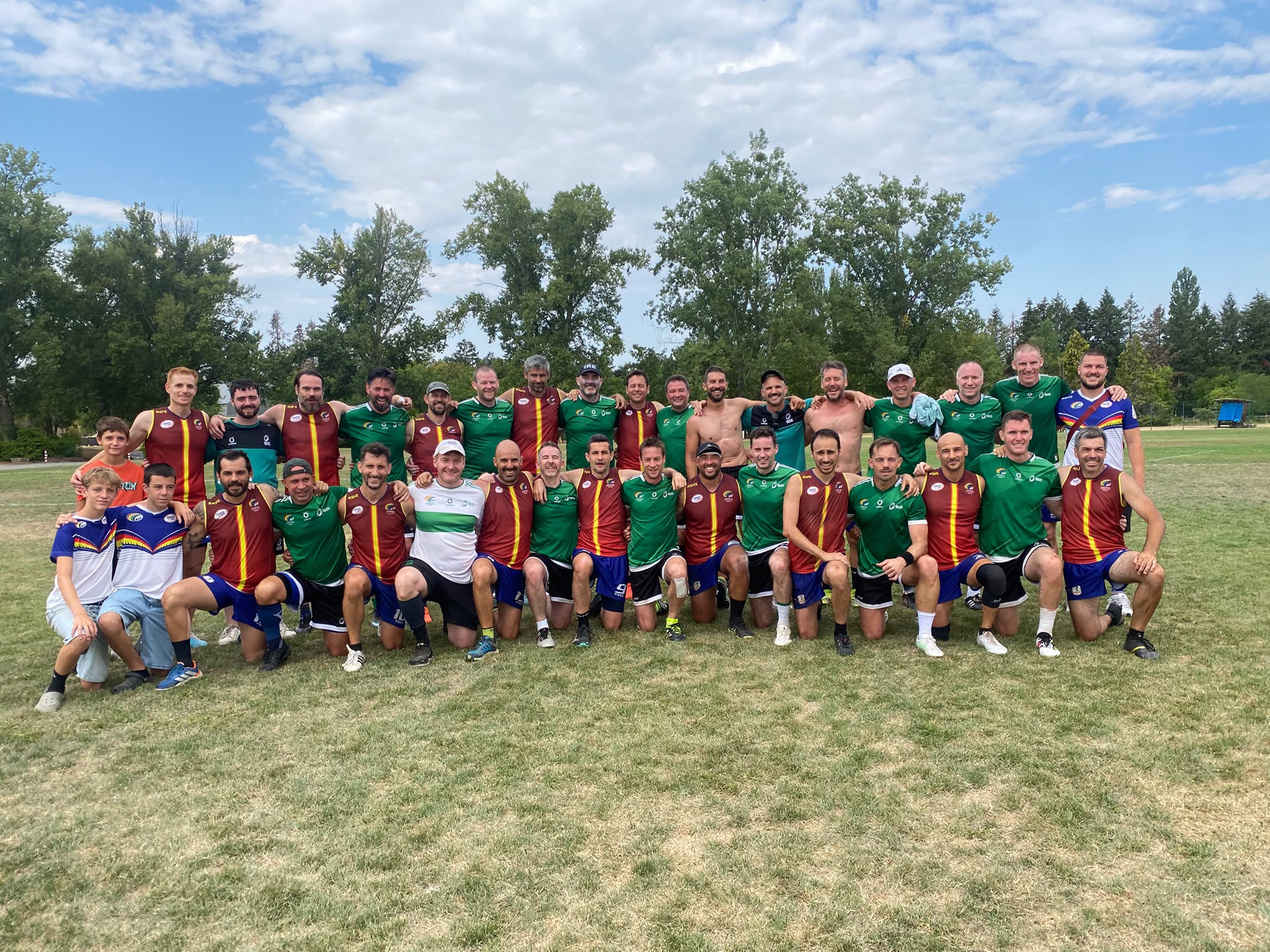
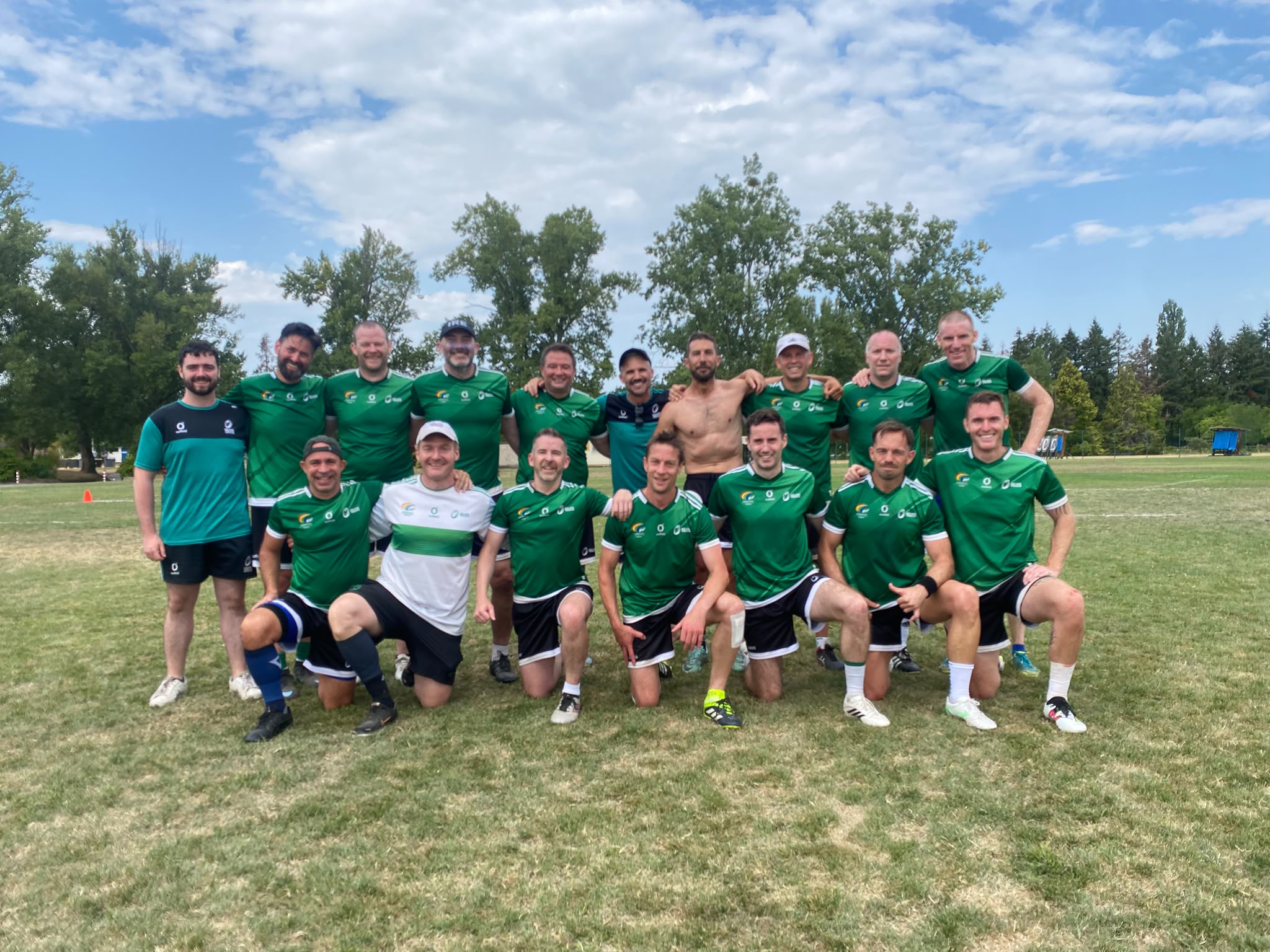
It’s clear that the standard of Touch across Europe continues to go up among all the nations, and comparatively speaking, especially in the older age categories. I think there are two elements to this.
Firstly, you have a nation like England where players at over 40s level are no longer ex-rugby players who now play a bit of Touch. They’ve been playing Touch all the way up from Open level and have been on a succession of successful teams at European international level.
Secondly, for nations like Italy, Portugal or Spain, there is so much more coaching information available than there used to be. The knowledge gap is no longer so huge. In the past, a nation’s Touch expertise was often dependent on there being one or two Australians or New Zealanders living in the country who had both the knowledge and the inclination to coach it.
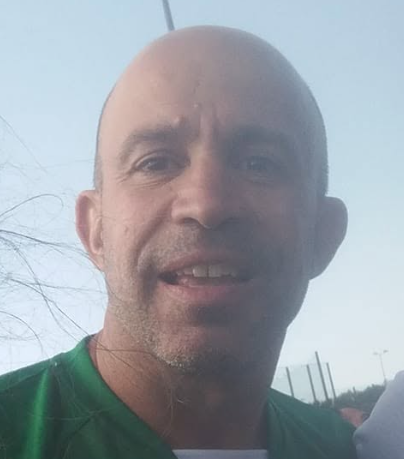
In Ireland, we were behind for a long time. I clearly remember the moment years ago when Fedi (in the picture above), who had been away playing in Europe somewhere, came back to us with this big concept of an attacking move called ‘a quickie’. To do it, we’d have to start getting people to split sideways after they made the touch, which seemed like a massive mind shift at the time. We were going into European championships and hoping to win with that level of expertise.
The rise in level now is a great thing. It’s puts it up to you. That’s the challenge. How do you respond now that what was good enough seven or eight years ago is no longer anywhere near good enough?
How did I respond as an individual in 2026? After ’22 and ’24, I rated my performances as ‘mediocre’. This year, I’d give myself ‘solid’. After the World Cup two years ago, my thought was that if I played for another week, that still wouldn’t be enough for me to get my game going. I was so far off and had so much work to do. I needed to go away and to quote U2 post-Rattle & Hum, ‘dream it all up again.’
This time, I felt like I’d love to play for another week. I’d stop messing around on my drives and actually do what I was telling everyone else to do in the coaching sessions. I’d sort out my defence, stop competing in the touch and just get back onside. In attack, my timing was just starting to come. My diving was there and my appreciation of space was coming back, but my killer instinct, standing the defender up and scoring at his feet wasn’t there.

It’s frustrating now that it’s difficult to be part of driving anything forward. Marooned, like Odysseus with Calypso, away from our homes, he struggling to remember, me struggling to get high-quality playing time with teammates.
I’d love to be bouncing back, post-tournament, into working hard and pushing standards and being part of something with like-minded people. Pushing to get medals at our age group, tearing down England and France and everyone else. Thought needs to go into this.
Team Ireland
I like how hard work seemed to be rewarded at the tournament among the Irish teams. The ones who seemed to prepare the best, did the best, particularly two of the Open teams and the M30s.
The MO were brilliant. On the basis of hard, consistent work and dedication. The final result might look similar to three years ago in Vichy, but it was a world of difference. A partly new team, having lost some big names from their line up from then, going from not performing in finals to performing really well. They were still up against it but it was great to watch, which we did on the big screens in the bar attached to our hotel. A little corner of France, with players from one Irish team cheering on another.
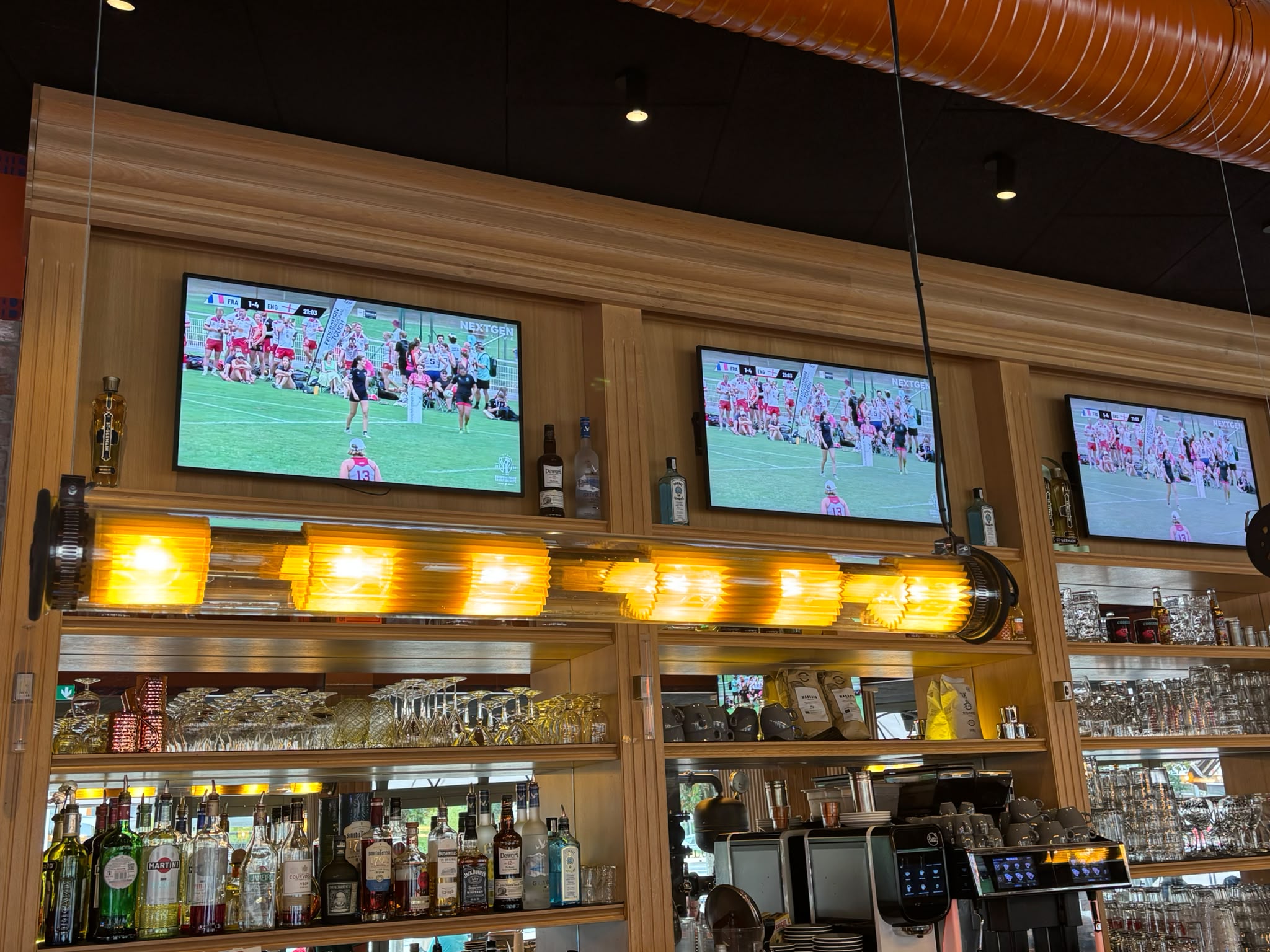
Sitting outside afterwards, practising my little bit of French ordering a coffee and croissant, I heard some sort of commotion around the corner.
An English man in his sixties, clearly on a big motorbike trip around Europe had hit a kerb and come off his bike, which was overladen with bags and lying on top of him. With the help of a Dutchman, we lifted the bike off him and helped him to one of the chairs. He was shaken. The Dutch fella talked to him while I went and bought him a coffee. An ambulance arrived some minutes later to check up on him. He seemed OK, apart from the shock and a sore ankle. He was very appreciative.
But please, no please don’t call me a hero. They belong to mythical stories. I just did what anyone would have done.
I watched the Women’s 35s third fourth place play-off, my sister Emer’s team, in person from the side-line. She played really well. I enjoyed watching her play. You could see the best and less best of Irish sport. The spirit and drive that brings you from losing 8-1 in your group game by sheer force of will and desire to a 6-4 score line in the final game. France were rattled. And then you can see some lack of structure and ownership of errors bring the level of the team down. I’d say it was frustrating to play in. To watch, the spirit and the emotion, how much the players cared, made it a great spectating experience. It reminds you why you care yourself.
Afterwards, I said quietly to Frank Ennis, ‘I think you’re a safe environment for me to say this. I’ve a secret crush on the French number 6. (I think it was 6). I’ve never talked to her but I played against her in Mixed Open and Senior Mixed. She works hard, does the right thing even when no one is watching, she’s accurate, she communicates, helps her teammates out when they get into trouble, she’s passionate.’ Frank nodded wisely. ‘It’s OK,’ he said. ‘I get it.’
Meeting Brian Leveau in the players’ tent after their semi-final with France was also a highlight. ‘We did it again,’ he said. ‘Just like ’22. Lost to them in the group and beat them when it counted!’
If the cap fits
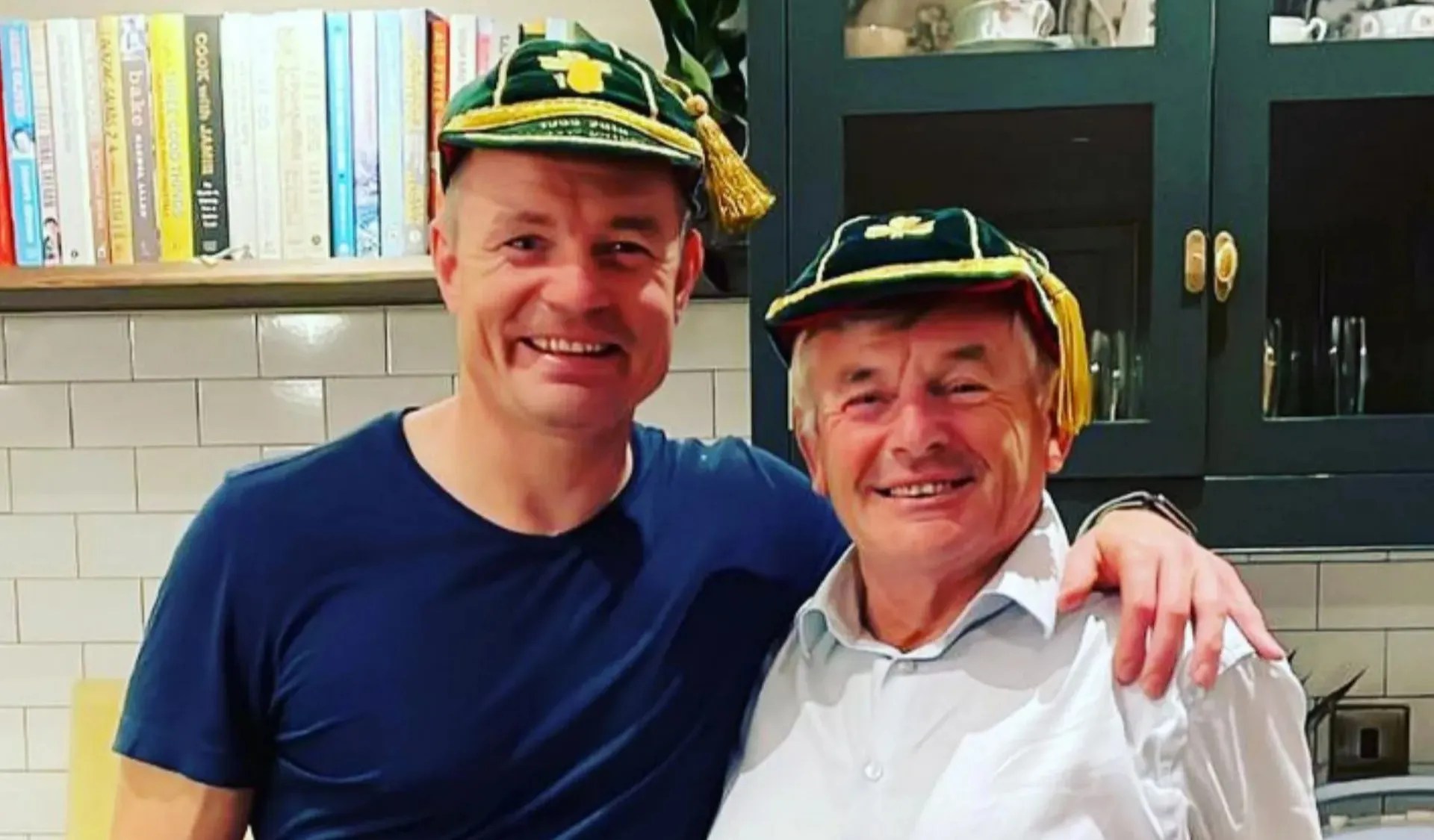
Quiz question: Who is the only Irish rugby international to be capped before his father? (Answer below)
I had to check this, for my own curiosity.
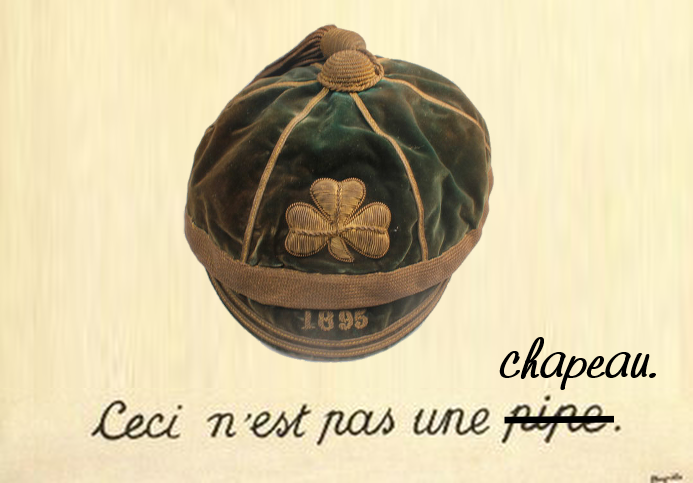
In the 1800s, during early soccer and rugby matches, teams didn’t wear matching shirts yet, so they wore different hats to tell teams apart. Later, physical ‘caps’ were awarded exclusively to athletes who played in a match representing their national team on the field. A cap was not awarded to a coach.
It’s just a form of words, with a point behind it. There was a presentation during the tournament which was richly deserved. I love that, honouring peoples’ contributions in front of their peers. I’d argue for more of it. To be involved with Ireland teams, as player or coach, for over 150 games is absolutely worthy of marking and celebrating. As they say in cycling, to honour any great performance or achievement, ‘Chapeau!’ It has the rough translation of ‘Tip of the hat to you!’ and is particularly amusing when said by Irish cycling legend and commentator Sean Kelly in his thick Waterford / Tipperary accent.
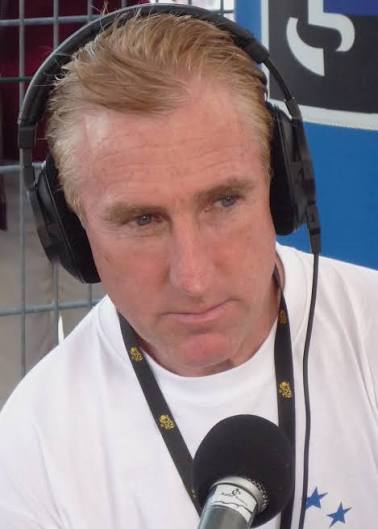
So, exactly that, chapeau and well done!
I was sitting beside someone, though, who by the same metric, also had over 150 caps. They never got any recognition. I’m wondering what the guiding principle is here?
Zeus’s Law
Offer food, shelter, and safe passage to all strangers, even the lowliest beggar, under the belief that any guest might be a god in disguise. No one should be turned away. Every person has a right to hospitality, and to mercy. A gift and an olive branch should be honoured. Achievements should all be equally honoured. Or it lessens the honouring.
(I added the last bit in myself.)
What did The Odyssey teach us? That if we break Zeus’s law for short term gain, we allow in chaos and anarchy. Its violation via the Trojan Horse weaponized trust and sacred peace offerings to slaughter a city, and breaking this foundational social contract triggers lawlessness and civilisational collapse.
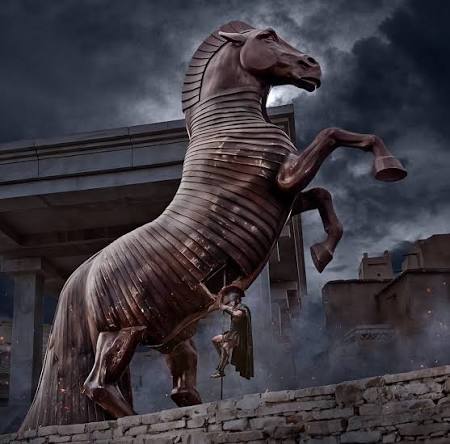
Am I suggesting that Irish Touch could be responsible for civilisational collapse?
As the fella says, if the cap fits… and if not, chapeau.
OK, probably not, but as Roy Keane would say, you’re not looking for perfection, just progress.
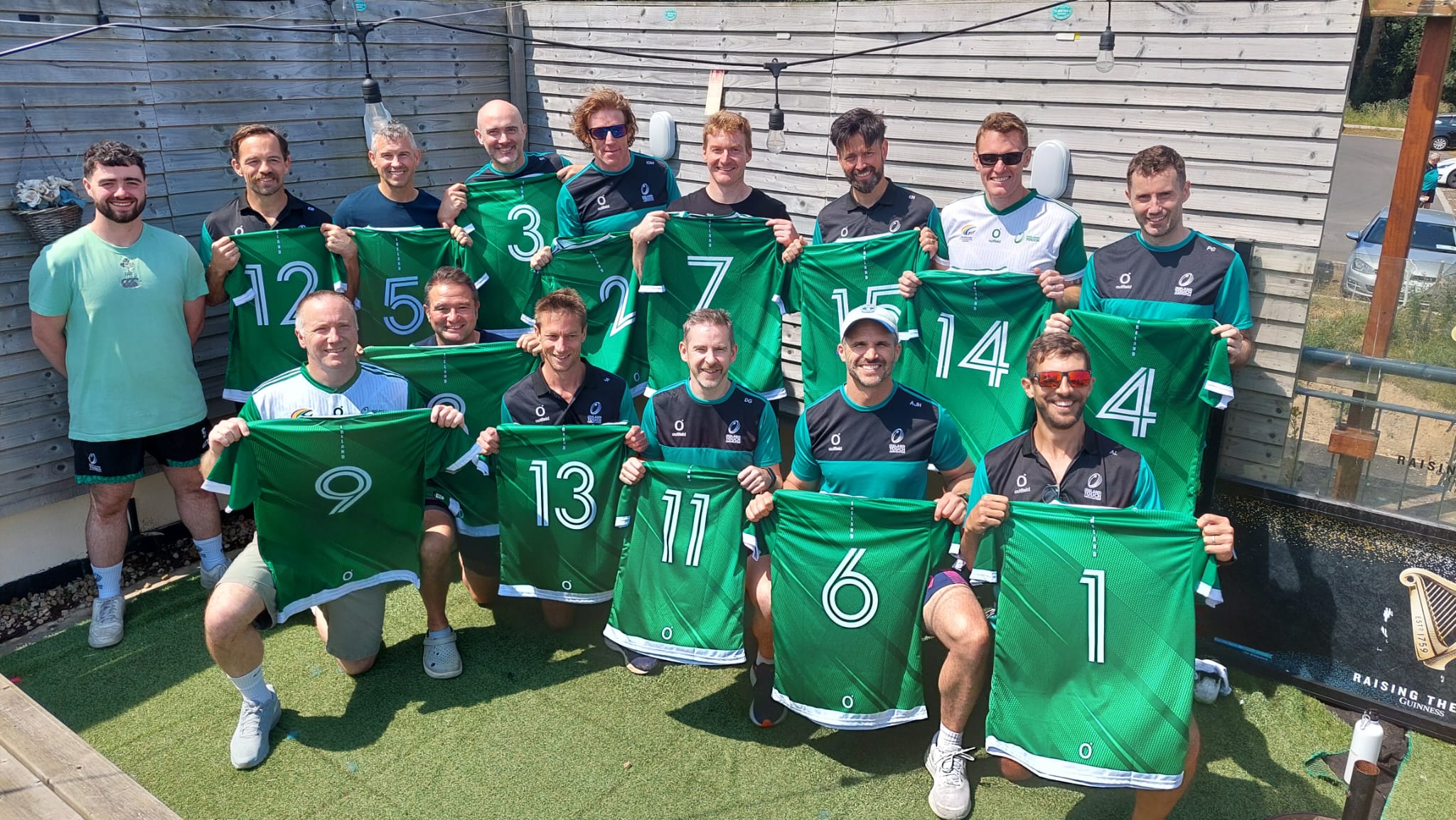
At the tournament, we had six new caps – Aidan Toher, Eric Negro, Stephen Sloan, Alex Hunter, Ed Binham, Jonathon Fletcher.
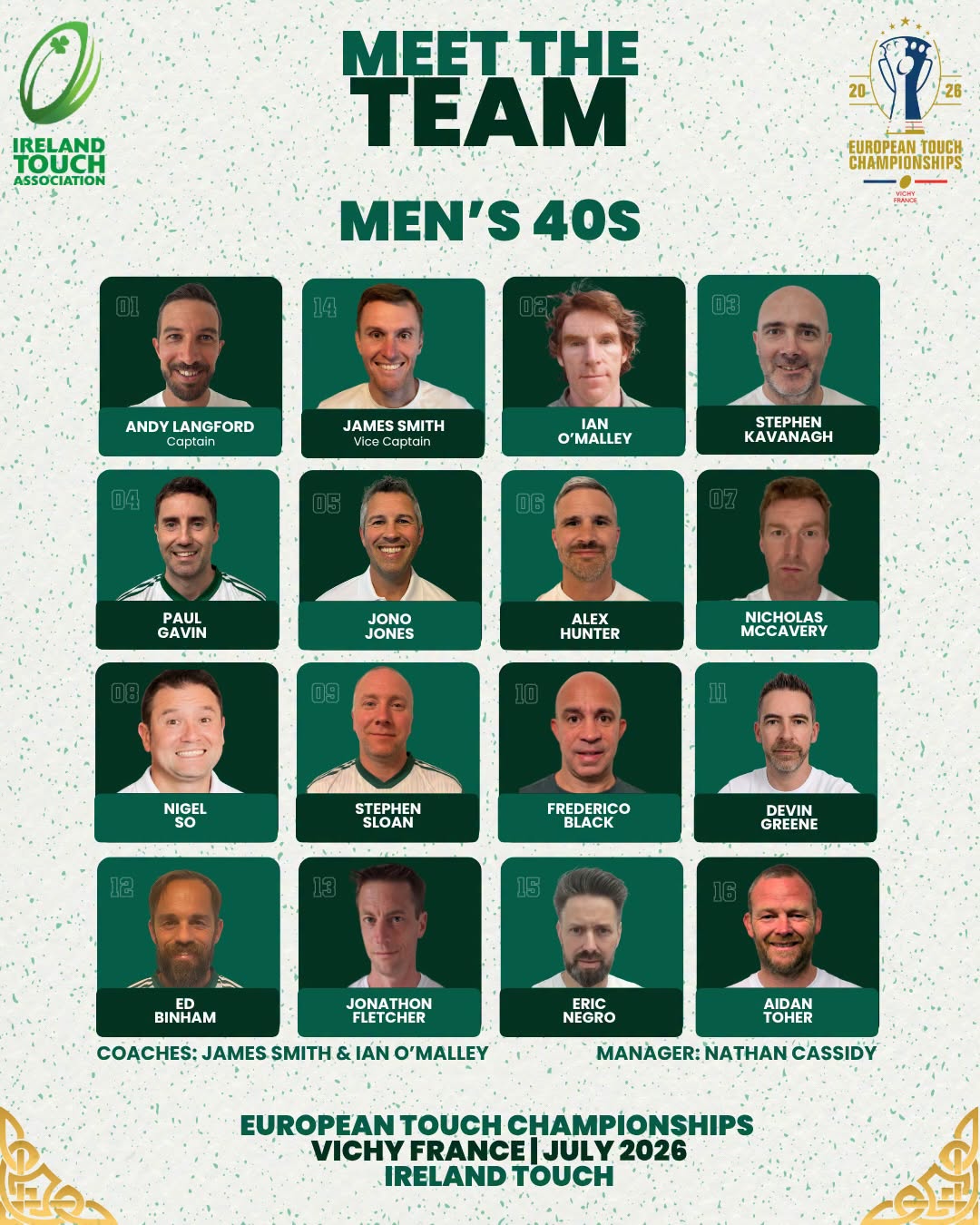
That’s a brilliant thing. Six people who are now Irish Touch internationals, who weren’t before. At the afterparty, we presented them each with commemorative bottle ‘caps’. To be cherished.
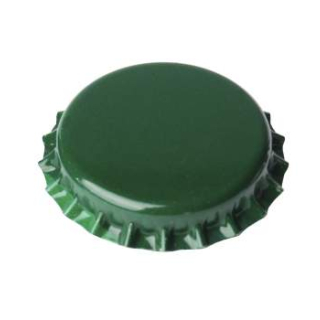
Ok, so we hadn’t prepared anything, but like I said, we’re not looking for perfection.
At the Euros I passed seventy-five caps, eighty-one now in total. I had a look back afterwards. Including non-capped international tournaments (Senior Championships and Open Permit), I’ve played fifteen times for Switzerland and, as of the last game at the Euros this year, exactly one hundred times for Ireland. That’s not 100 caps and it doesn’t mean I was good in all those games either. All we can say for sure is, I’ve kept at it. Which is heroic in its own way, right? I know, I’m really stretching the metaphor at this stage, but we’re nearly done.
There’s an idea called ‘re-enchantment’, the recovery of meaning, wonder, and the sacred in a modern world of ‘disenchantment’ where life has been stripped of spirits, magic, and deep purpose. Recovering the world you experienced as a child. Believing again in high ideals.
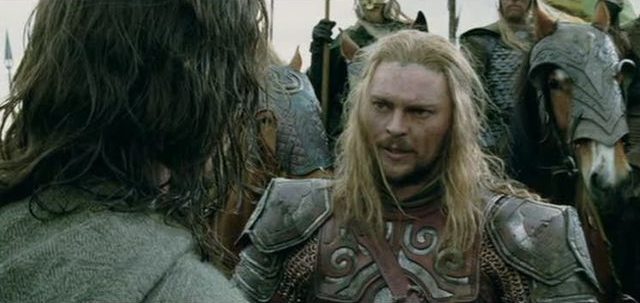
The Rider beside Eomer laughed.
‘Do we walk in legends or on the green earth in the daylight?’
‘A man may do both,’ said Aragorn. ‘For not we but those who come after will make the legends of our time.’
Lord of the Rings: Two Towers
Pulling on a national jersey for me is magic and has deep purpose.
We can do both.
Quiz Answer: Brian O’Driscoll.
He was first capped in 1999. His father Frank played twice for Ireland in 1970 on a tour of Argentina, but he was not awarded a cap since the match was considered a non-Test game. He was retrospectively awarded a cap in 2022.
The Journey Home
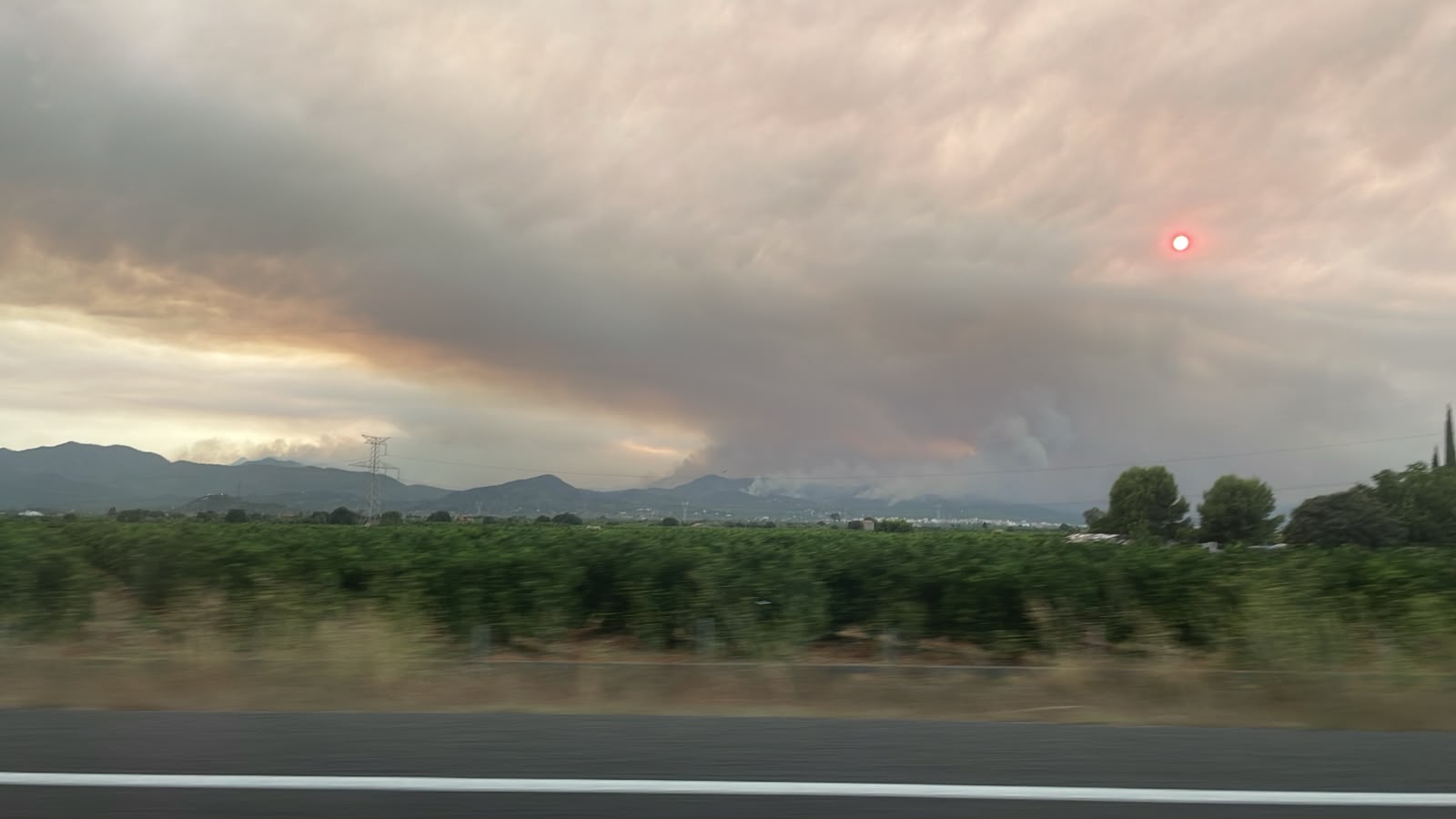
A reminder of the privilege it is to play in these tournaments. You have to appreciate it, while the world is still happening around us. The picture above taken on the journey back. Wildfires raging in other parts of France.

I come back from the tournament with head shaved. I hadn’t done it for the last few years, partly not wanting to upset Kaja and Arek. I showed them my new look in stages over video call, first wearing a hat and telling them that fairies had stolen my hair while I was asleep, which Kaja found hilarious.
‘No, it was me, daddy. I was the fairy! Tomorrow, night I’m going to steal your teeth so you can’t talk.’
(Imagine what a loss that would be to the world.)
The Odyssey tells us that King Agamemnon was killed upon his return from Troy by his wife Clytemnestra, the sister of Helen.
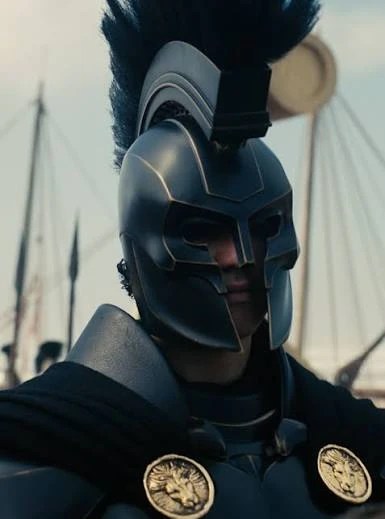
“Don’t make my mistake,” he warns from the Underworld. “Don’t walk in the front door expecting garlands and praise. Come in disguise. Take your time. Assess.”
Heeding his words, and wary for my teeth, with some trepidation, I arrive home.
And oh, the hugs, ah, the hugs, from a two-year old and four-year old. And the excitement. It’s overwhelming. ‘Who’s the real hero now?’ I feel like saying to Agamemnon.
Kaja – Daddy, your hair looks like fizzy.
Me – It looks frizzy?
Kaja – No, fizzy, daddy. You have no hair like your friend Fizzy.
Me – Oh you mean Fedi?!
Kaja – Yes, you look like Fedi!
Me – Yeah, fair call.
A nappy to be changed, The Gruffalo to be read, toast with cheese to be cut into perfect triangles, milk, warm but not hot or it will all be sent back, to be made, and Paw Patrol toys to be played with.
Arek – There’s an emergency daddy! We need Marshall!
Bruised but not broken, I’m home.



Leave a Reply